Walking rarely receives the attention given to newer workouts, specialized equipment, or ambitious fitness goals. It is familiar. Most of us have been doing it for nearly our entire lives. Because it feels ordinary, it is easy to overlook.
But walking offers something many exercise routines do not: it fits into real life.
You can walk through your neighborhood, around a park, along a trail, or while exploring a part of town you have never visited. You can go alone, meet a friend, or join a group. You can walk for ten minutes or spend an afternoon outside.
It does not require exceptional ability. It requires a pair of comfortable shoes, a place to go, and the decision to begin.
Walking Supports the Abilities We Want to Keep
As we get older, staying active is not only about fitness. It is about continuing to do the activities that make life enjoyable.
We want to move comfortably through the day, travel, spend time outside, keep up with friends and family, and remain confident navigating the places around us.
Walking supports many of the abilities those experiences require.
It engages the legs and core, challenges balance, and keeps the body accustomed to regular movement. It also helps maintain the endurance needed for everyday activities—whether that means exploring a new city, attending an outdoor event, or spending a full day on your feet.
No single activity can guarantee how we will age. But continuing to move gives us a stronger foundation for remaining involved in our own lives.
Consistency Often Matters More Than Intensity
People sometimes avoid becoming more active because they believe exercise only counts when it is difficult. If they cannot complete a long workout, maintain a fast pace, or follow a demanding schedule, they assume the effort is not worthwhile.
Walking offers a different approach.
You do not have to exhaust yourself to benefit from moving regularly. A shorter walk that happens several times a week may be more useful than an ambitious routine that lasts only a few days. Walking is easier to repeat because it does not require much preparation. You can fit it into the morning, take a break during the afternoon, or walk after dinner.
The goal is not to turn every outing into a test. The goal is to make movement a regular part of your life.
Walking Can Change How You Experience a Place
Driving is efficient, but it moves us quickly past much of what surrounds us. Walking changes the pace. You notice the architecture of a neighborhood, the sound of birds, the shape of the landscape, and the businesses or parks you may have passed many times without seeing clearly.
A familiar place can feel different when experienced on foot. This is one reason walking belongs within more than a fitness routine. It can also be a form of discovery. A walk can take you through a historic neighborhood, along a creek, around a public garden, or into a part of your community you have never explored.
Movement becomes more interesting when there is something to notice along the way.
It Is Also One of the Easiest Ways to Spend Time Together
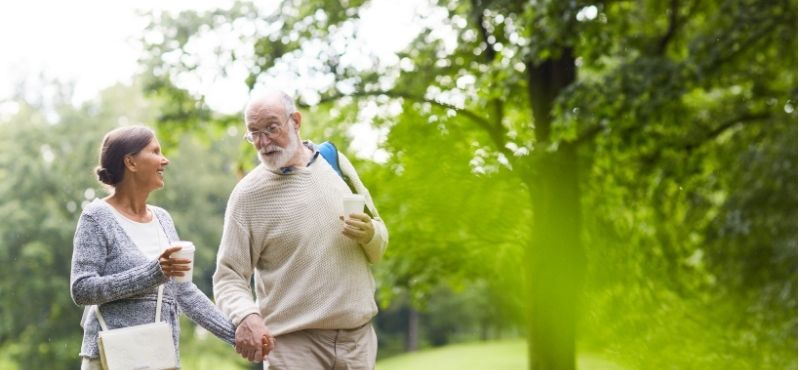
Meeting someone for coffee usually means sitting across a table. Meeting for a walk changes the interaction. You are moving in the same direction, noticing the same surroundings, and sharing an experience rather than relying entirely on conversation.
That can make talking feel easier.
Pauses are less noticeable. Attention can move between the person and the environment. The walk gives the time a natural beginning and end. It also works with many kinds of relationships.
You can walk with a close friend, reconnect with someone you have not seen recently, invite a neighbor, or join a group where you know no one. Walking creates room for both movement and connection without demanding much from either one.
You Do Not Need to Walk Far or Fast
Comparison can make an accessible activity feel unnecessarily intimidating. Someone else walks faster. Covers more distance. Chooses steeper trails. Tracks every mile. None of that needs to define your walk.
A useful pace is one that challenges you without making the experience miserable. A worthwhile distance is one that fits your current ability and leaves you willing to go again.
Some days you may want a longer outing. Other days, ten or fifteen minutes may be enough to interrupt a long period of sitting and help you feel more alert.
The right walk is not the one that looks most impressive. It is the one you can continue doing.
Make the Walk More Appealing
Movement is easier to maintain when the experience offers more than exercise.
Choose a destination.
Walk to a park, coffee shop, overlook, farmers market, or neighborhood landmark.
Invite someone. A conversation can make the time pass quickly and gives both of you a reason to follow through.
Explore somewhere unfamiliar.
Try a different trail, neighborhood, or section of town.
Give the walk a purpose.
Look for birds, photograph interesting buildings, listen to an audiobook, or learn about the history of the area.
Join a group.
A scheduled walk removes the need to organize the outing yourself and introduces a social element.
Walking does not need to feel like an obligation.
It can be a way to experience more of the world around you.
Start From Where You Are
Perhaps you already walk regularly. The next step might be exploring a new route, adding a little distance, or inviting someone to join you. Perhaps you have not been active recently.
Begin with what feels manageable. Walk at a comfortable pace, choose a predictable route, and pay attention to how your body responds. Increase the time or distance gradually rather than trying to make up for lost time in one outing.
The purpose is not to prove what you can do today.
It is to build a habit that helps you keep doing more tomorrow.
A Question to Ask Yourself
Where could walking take me that my usual routine does not?
- Maybe it is a nearby trail you have never explored.
- Maybe it is a weekly walk with a friend.
- Maybe it is a group outing that gives you a reason to get outside and meet someone new.
Choose one walk and put it on the calendar.
You do not need a dramatic goal. Begin with movement, give yourself somewhere interesting to go, and let the habit grow from there. Because one of the best ways to keep experiencing life is to keep moving through it.